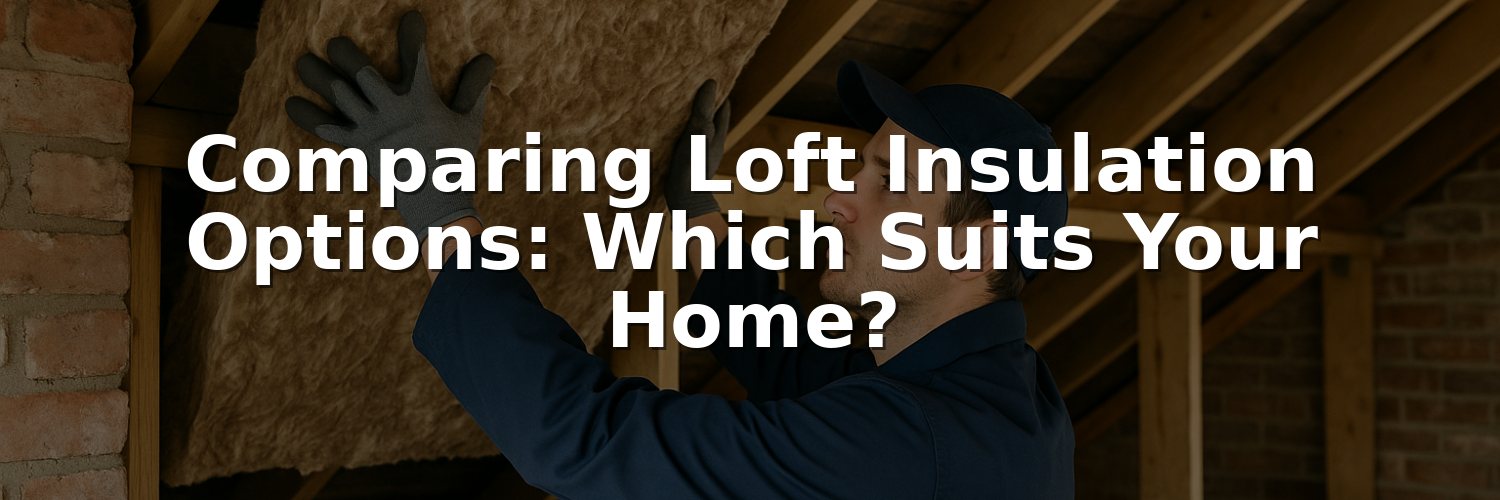
Loft insulation is one of the most cost-effective ways to cut energy bills and improve comfort, but the right solution depends on your property type, budget and long-term plans. This guide compares popular loft insulation options, their pros and cons, and when each approach is best. Whether you’re a homeowner, landlord or property manager, it’ll help you decide which option to request quotes for through platforms like Trademens Quotes.
Why choose loft insulation?
Insulating the loft reduces heat loss through the roof, improves room comfort, and can lower heating bills. It also helps with condensation control and can raise a property’s energy performance—useful for landlords and developers. Before choosing a material, consider access, existing insulation, ventilation and any planned roof or loft conversions.
Common loft insulation options
Below are the most widely used options in the UK, with practical notes on performance, cost considerations and installation impacts.
1. Mineral wool rolls (glass or rock wool)
Overview:
- What it is: Batts or rolls laid between and across joists.
- Performance: Good thermal properties; typically achieves recommended depths when fitted correctly.
- Pros: Widely available, easy to install for large areas, cost-effective, non-combustible options.
- Cons: Needs careful fitting around pipes and wiring to avoid gaps; loose fibres can irritate skin and lungs during fitting.
- Best for: Standard lofts with easy access where a quick, budget-friendly upgrade is required.
2. Blown (loose-fill) mineral fibre or cellulose
Overview:
- What it is: Loose fibres blown into the loft to form an even layer over joists.
- Performance: Excellent at filling gaps and covering irregular spaces; performs well if installed to recommended depths.
- Pros: Ideal for awkward lofts, minimal waste, quick application by machine.
- Cons: Typically requires a professional blower, potential settling over time which can reduce effectiveness.
- Best for: Lofts with restricted access, odd shapes or where existing insulation is uneven.
3. Rigid PIR/PUR boards
Overview:
- What it is: Insulation boards placed over joists, often used where loft is to be used as a storage or converted later.
- Performance: High thermal efficiency for thinner profiles, ideal where headroom is limited.
- Pros: Strong and stable for boarding over, excellent U-values, low moisture absorption.
- Cons: Higher material cost, requires precise cutting and fitting around services.
- Best for: Lofts that need a usable floor or when planning a conversion—can combine with rolls between joists for best effect.
4. Spray polyurethane foam
Overview:
- What it is: Liquid foam sprayed into cavities or applied to roof slopes, which expands and cures into a solid layer.
- Performance: Excellent air-sealing properties and high insulation value per depth.
- Pros: Fills gaps and seals draughts, reduces air leakage, excellent where standard products struggle.
- Cons: Significantly more expensive, requires specialist installers and careful ventilation management; some products can complicate future repairs or wiring work.
- Best for: Hard-to-access cavities, properties with persistent draught or where maximum thermal performance in limited depth is essential.
Factors to consider when comparing options
- Existing insulation: If some insulation is already in place, you may only need top-up rolls or blown fibre. A tradesperson can assess whether removal is necessary.
- Ventilation and condensation risk: Roof-space ventilation must be maintained; some methods (like spray foam) need specific ventilation and vapour control measures.
- Access and headroom: Limited space often favours blown fibre or thin PIR boards rather than bulky rolls.
- Future plans: If you intend to convert the loft, planning for boarding and higher performance boards now will save works later.
- Budget and payback: Consider both upfront cost and likely energy savings. Cheaper materials may be adequate for interim upgrades; higher-spec options can pay back quicker in reduced bills.
- Disruption and installation time: Rolls can be a DIY project but blown fibre and spray foam usually need professionals and equipment.
How to get reliable quotes and compare trades
When sourcing installers, get multiple quotes that specify materials, depths, ventilation measures and whether loft boarding is included. Use a local trade matching service like Trademens Quotes to request multiple estimates quickly and see tradesman profiles and service listings. For example, if you need trade specialists in loft insulation or related works, you might also check local joiners or builders for boarding and conversion input.
Look for quotes that include:
- Type and thickness of insulation and expected U-value or thermal resistance.
- Details of removal and disposal if replacing old insulation.
- Work method—machine-blown, hand-laid, or spray applied—and access requirements.
- Ventilation or vapour control recommendations and any remedial work needed.
- Timescales, warranties on workmanship and clear pricing with no-obligation options.
Case examples and useful links
For landlords or estate managers managing multiple properties, combining insulation upgrades with other trades is efficient: for example, pairing loft insulation with boiler servicing or cavity wall checks. If you need local support for broader property work—such as loft boarding, conversions or insulation-related carpentry—Trademens Quotes can match you with local professionals across many categories.
If you’re also planning broader renovations, look at linked services such as loft insulation specialists in Leeds or wider building and conversion trades via the platform. For example, check loft insulation listings like loft insulation Leeds or combine with related services such as conveyancing for property purchase moves via Trademens Quotes conveyancing. For property managers organising removals alongside upgrades, a local man-and-van service could help—see options like man van Newcastle.
Final checklist before you decide
- Survey your loft or have a tradesperson inspect for damp, pests or structural issues.
- Confirm ventilation is adequate and plan any ventilation upgrades or vapour barriers.
- Get at least three detailed, no-obligation quotes that list materials, depths and installation methods.
- Consider combination solutions (e.g. PIR boards plus rolls) for conversions or storage use.
- Factor in disruption, disposal costs and any additional trades required (electricians, carpenters, roofers).
Choosing the right loft insulation means balancing performance, cost and future plans. Using Trademens Quotes to request multiple local estimates makes comparison straightforward, helping you pick a trusted installer and the best approach for your property needs.